Magnesium and Progesterone: Why This Mineral Matters More Than You Think During Menopause.
Can’t sleep? Feeling anxious? Waking at 3am?
If you’ve mentioned any of these symptoms during perimenopause or menopause, chances are someone has said:
“Just take magnesium.”
It’s become one of the most commonly recommended supplements for women in midlife.
And for good reason.
Many women genuinely notice they sleep better, feel calmer and cope with stress more easily when they have enough magnesium.
But have you ever stopped to ask why?
During perimenopause, progesterone is often the first hormone to decline. It’s one of the hormones that helps us feel calmer, sleep more deeply and become more resilient to stress.
So when women discover that magnesium seems to help with many of these same symptoms, it’s easy to assume that magnesium must be increasing progesterone.
The truth is a little more nuanced and far more interesting.
Magnesium doesn’t directly increase progesterone. Instead, it supports many of the systems that become more vulnerable as progesterone naturally declines, including your nervous system, sleep, stress response and energy production.
That’s why this isn’t really a story about a supplement.
It’s a story about understanding your body.
Rather than chasing the next miracle capsule, let’s explore how real food, cyclical nourishment and understanding your body’s changing needs can help you feel more resilient throughout perimenopause and beyond.
In this article, we’ll explore what really happens to progesterone during menopause, what magnesium actually does, why it can help you feel calmer and more resilient, and why I believe nourishment will always be more powerful than chasing the next health trend.
What Happens to Progesterone During Perimenopause?
One of the biggest misconceptions about menopause is that all of your hormones decline at the same time.
In reality, progesterone is usually the first hormone to begin falling.
During your reproductive years, progesterone is produced after ovulation. Each month, once an egg has been released, the empty follicle transforms into the corpus luteum, which produces progesterone to prepare the uterus for a possible pregnancy.
As you enter perimenopause, ovulation becomes less predictable. Some months you may ovulate later than usual, while other months you may not ovulate at all.
No ovulation means very little progesterone is produced.
Meanwhile, oestrogen doesn’t simply disappear. Instead, it often fluctuates dramatically from one month to the next. Some days it may be lower than expected, while at other times it can surge much higher than it did in your younger years.
This changing relationship between oestrogen and progesterone is one reason so many women begin experiencing symptoms such as:
- Poor sleep
- Anxiety or feeling overwhelmed
- Mood swings and irritability
- Tender breasts
- Heavy or irregular periods
- Bloating
- Headaches
- Weight gain around the middle
It’s easy to assume your body has stopped working properly.
But I see it differently.
Your body is incredibly intelligent. It is constantly adapting to changing hormone levels while trying to keep everything in balance. The symptoms you’re experiencing aren’t your body betraying you, they’re often signs that it needs more support.
This is one of the reasons I encourage women to stop fighting their bodies and start listening to them.
Rather than asking, “How do I stop this symptom?” try asking, “What is my body trying to tell me?”
That small shift in perspective changes everything.
Instead of chasing hormones, you begin creating the conditions that allow your body to function as well as it possibly can during this natural transition.
If you’re just beginning your menopause journey, magnesium is one of the five foundational nutrients I focus on inside my Healthy Menopause Reset Guide and 5-Day Nutrition Challenge. Rather than overwhelming you with endless supplements or complicated protocols, I show you how to build these nutrients into everyday meals using real food, helping you create strong foundations that support your hormones, energy and long-term health.
Can Magnesium Increase Progesterone?
The short answer is no.
Magnesium doesn’t directly increase progesterone production, and despite what you may have read online, there isn’t strong scientific evidence to suggest that taking a magnesium supplement will suddenly raise your progesterone levels.
But that doesn’t mean magnesium isn’t important.
Far from it.
Think of progesterone like a plant in a garden. You can’t make it grow simply by pouring on more water. But if the soil is depleted, the plant is under constant stress and it isn’t getting enough sunlight, it’s unlikely to thrive.
Your hormones work in a similar way.
Magnesium helps create the conditions that allow your body to function at its best.
For example, chronic stress increases the production of cortisol, your body’s main stress hormone.
Cortisol is essential for survival, but when it remains elevated for long periods, your body naturally prioritises dealing with stress over many other functions.
Poor sleep, unstable blood sugar and a constantly activated nervous system can all leave you feeling more anxious, exhausted and overwhelmed, often making menopausal symptoms feel much worse.
Magnesium supports many of these underlying systems.
It helps calm the nervous system, supports restorative sleep, contributes to healthy blood sugar regulation and enables hundreds of biochemical processes that keep your body functioning efficiently.
While magnesium doesn’t create progesterone, it helps build resilience.
And resilience matters.
Because menopause isn’t just about changing hormone levels. It’s about how well your body is able to adapt to those changes.
This is why I encourage women to stop searching for one miracle nutrient or one perfect supplement.
Your body isn’t asking for a quick fix.
It’s asking for consistent nourishment, quality sleep, opportunities to rest, movement, time in nature and the nutrients it needs to do the extraordinary job it has always done.
When you focus on supporting your body instead of fighting it, you’re working with your hormones, not against them.
Why I Focus on Food Before Supplements
When women come to me, they’re often carrying a cupboard full of supplements.
Magnesium. Vitamin D. Ashwagandha. Collagen. Probiotics. Omega-3. Adaptogens…
They’re desperately trying to feel better, yet many still feel exhausted, overwhelmed and confused.
That’s because supplements are exactly what their name suggests – they’re designed to supplement a healthy diet, not replace one.
Before I recommend any supplement, I always ask a much simpler question:
What does your everyday food look like?
Are you eating enough protein to maintain muscle and support healthy ageing?
Are you including good fats to provide the building blocks for hormone production?
Are you feeding your gut microbiome with fibre-rich foods and probiotics?
Are you eating enough colourful vegetables, minerals and slow-release carbohydrates to support stable energy throughout the day?
Because no supplement can compensate for missing foundations.
That’s why magnesium is one of the five key nutrients I introduce in my Healthy Menopause Reset Guide and expand on inside my 5-Day Nutrition Challenge. Rather than chasing individual symptoms, I encourage women to build these essential nutrients into everyday meals, creating habits that support their hormones for the long term.
Fortunately, magnesium isn’t difficult to find.
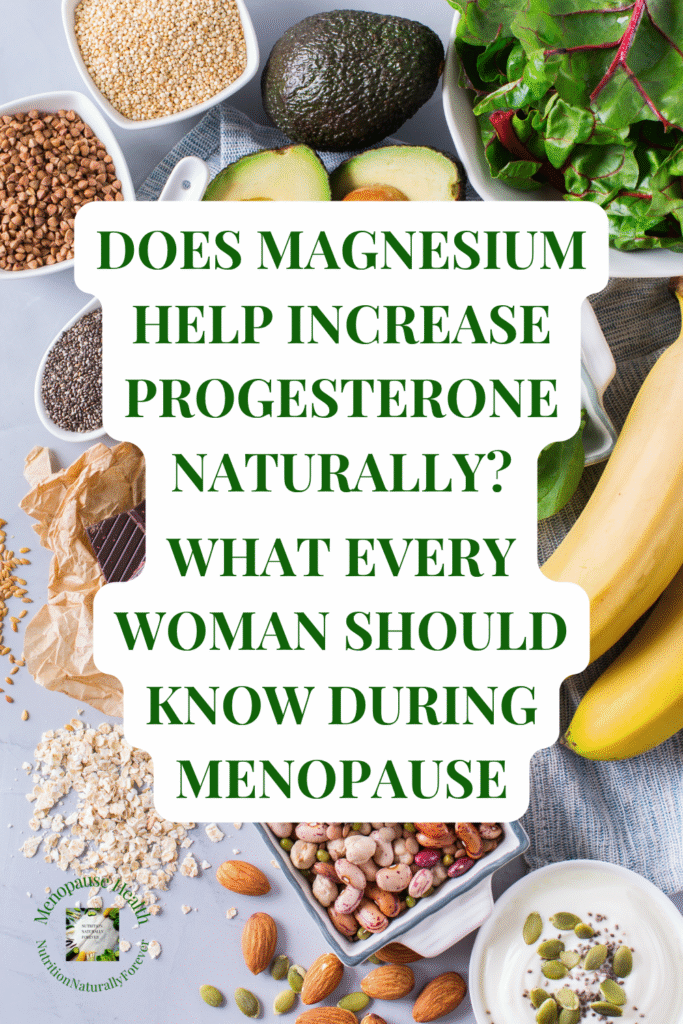
Some of my favourite magnesium-rich foods include:
- Pumpkin seeds
- Dark leafy greens such as spinach and kale
- Lentils and beans
- Oats
- Whole grains
- Almonds and cashews
- Avocados
- Dark chocolate with a high cocoa content
- Cacao powder
- Salmon
- Natural yoghurt
- Mineral water
These foods don’t just provide magnesium.
They also contain protein, fibre, healthy fats, antioxidants and countless other nutrients that work together in ways a single supplement never can.
This is one of the reasons I created The Menopause Pantry.
Instead of following restrictive meal plans or worrying about eating the “perfect” food, you simply stock your kitchen with nourishing ingredients that naturally support your body every single day.
When your pantry, fridge and freezer are filled with real food, making healthier choices becomes easier, not because you’re relying on willpower, but because your environment is working with you.
That’s what nourishment looks like.
Simple.
Practical.
Sustainable.
And far more powerful than chasing the latest supplement trend.
The Luteal Phase: Why Magnesium Matters Most
If you still have a menstrual cycle, you’ll probably notice that your needs change during the luteal phase, the two weeks between ovulation and your next period.
If your periods have become irregular or have stopped altogether, I encourage women to follow the rhythm of the Last Quarter Moon instead.
Just as nature begins slowing down after the brightness of the Full Moon, this phase invites us to do the same.
Your body is preparing for rest.
Progesterone naturally reaches its highest level after ovulation before beginning to fall if pregnancy doesn’t occur. As progesterone declines, it’s completely normal to feel more tired, hungrier and in need of quieter days.
The problem is that modern life rarely allows for that.
Instead of slowing down, many women push harder. They ignore their hunger, survive on coffee, skip meals, eat less in an attempt to lose weight and wonder why they feel exhausted, anxious or emotionally fragile.
What if your body isn’t lacking motivation?
What if it’s simply asking for a different kind of support?
This is the phase where I encourage women to lean into nourishment rather than restriction.
That means:
- Eating enough protein to support repair and recovery.
- Including quality carbohydrates to help support progesterone production, replenish glycogen stores and promote restful sleep.
- Choosing magnesium-rich foods that calm the nervous system and support muscle relaxation.
- Honouring increased hunger instead of fearing it.
- Creating more space for rest, reflection and gentle movement.
Many women are surprised when I tell them that this is not the time to cut carbohydrates.
During the luteal phase, your metabolism naturally increases slightly, meaning your body often needs a little more energy. Choosing nourishing carbohydrates such as oats, lentils, beans, sweet potatoes or even white basmati rice alongside protein and nourishing fats can help stabilise blood sugar and leave you feeling far more satisfied.
This is one of the reasons my Menopause Moon Kitchen recipes change throughout the month.
Rather than eating the same foods every day, I encourage women to nourish themselves in harmony with the changing needs of their body.
Some weeks that might look like fresh salads packed with herbs and colourful vegetables.
Other weeks it’s a comforting lentil dahl, a warming bowl of bone broth with rice or a magnesium-rich dark chocolate dessert.
None of these meals are about perfection.
They’re about giving your body what it needs, when it needs it.
Because menopause isn’t about fighting your biology.
It’s about learning to work with it.
Final Thoughts
If you’ve been searching for a natural way to increase progesterone, I hope this article has given you something even more valuable: a different perspective.
Magnesium isn’t a miracle cure, and it won’t magically increase your progesterone overnight.
But it is one of the essential nutrients your body relies on every single day to produce energy, regulate your nervous system, support restorative sleep and navigate the hormonal changes of perimenopause and beyond.
It’s also important to remember that menopause doesn’t mean your body stops producing progesterone altogether.
Instead, production falls dramatically because ovulation has ended. Your body continues to produce small amounts of progesterone, but nowhere near the levels needed during your reproductive years.
That’s why this stage of life asks something different of us.
It asks us to become more intentional about how we live.
To protect our sleep.
To protect our boundaries.
To reduce unnecessary stress wherever we can.
To spend more time in nature.
To move our bodies in ways that support rather than punish them.
And to nourish ourselves with real food that provides the building blocks our body needs every single day.
We can’t force our hormones back to where they were twenty years ago.
But we can create the best possible environment for the hormones we do produce to work effectively.
That’s what The Healthy Menopause is all about.
Not chasing perfection.
Not fighting your biology.
But reconnecting with your body, understanding what it’s asking for and giving it the support it deserves.
Because your body isn’t broken.
It’s adapting.
And with the right foundations, it can continue to thrive through every season of your life.
Ready to Start Nourishing Your Body?
If you’d like to stop guessing and start building those foundations, I’ve created a few free resources to help you get started.
🥣 Download the Healthy Menopause Reset Guide
Learn about the five key nutrients I believe every woman should prioritise during menopause, including magnesium, and discover simple ways to include them in everyday meals using real food.
🌿 Join the 5-Day Healthy Menopause Challenge
Over five days, on demand;direct to your inbox, I’ll help you understand why these five nutrients matter and show you how to build nourishing habits that support your hormones, energy and long-term health, without restrictive diets or expensive supplements.
Find out more HERE
🌙 This Week’s Moon Kitchen Recipe
🌗 Moon Phase: Last Quarter Moon (Luteal Phase)
🌿 Moon Kitchen Focus: Supporting progesterone, replenishing magnesium and nourishing your body with balanced meals that help keep blood sugar stable and your nervous system calm.
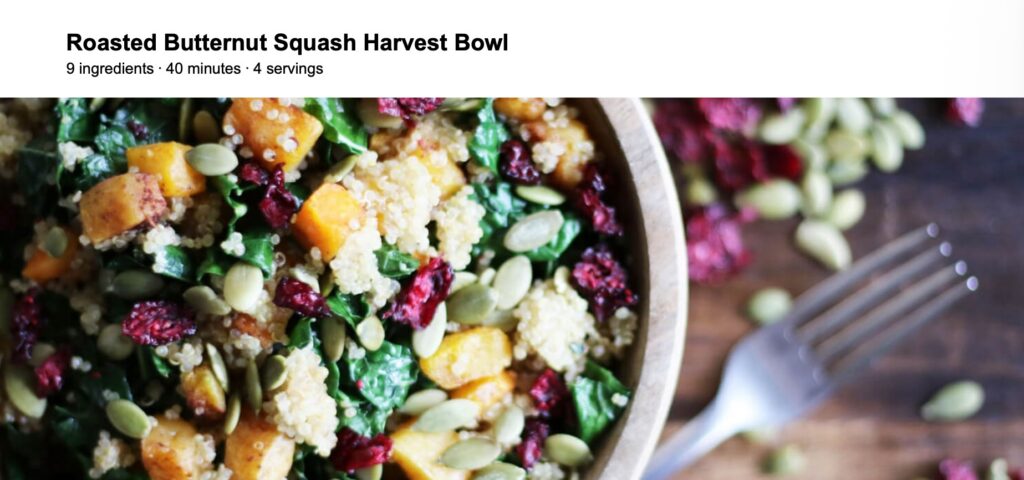
🍽 This Week’s Recipe: Roasted Butternut Squash Harvest Bowl
As your body prepares for the end of the cycle, your nutritional needs naturally increase. This colourful harvest bowl combines magnesium-rich pumpkin seeds, vitamin B6, fibre, healthy fats and nourishing carbohydrates to support hormone balance, steady energy and a healthy stress response. It’s a simple reminder that this phase is about nourishment, not restriction.
👉 Make the recipe HERE