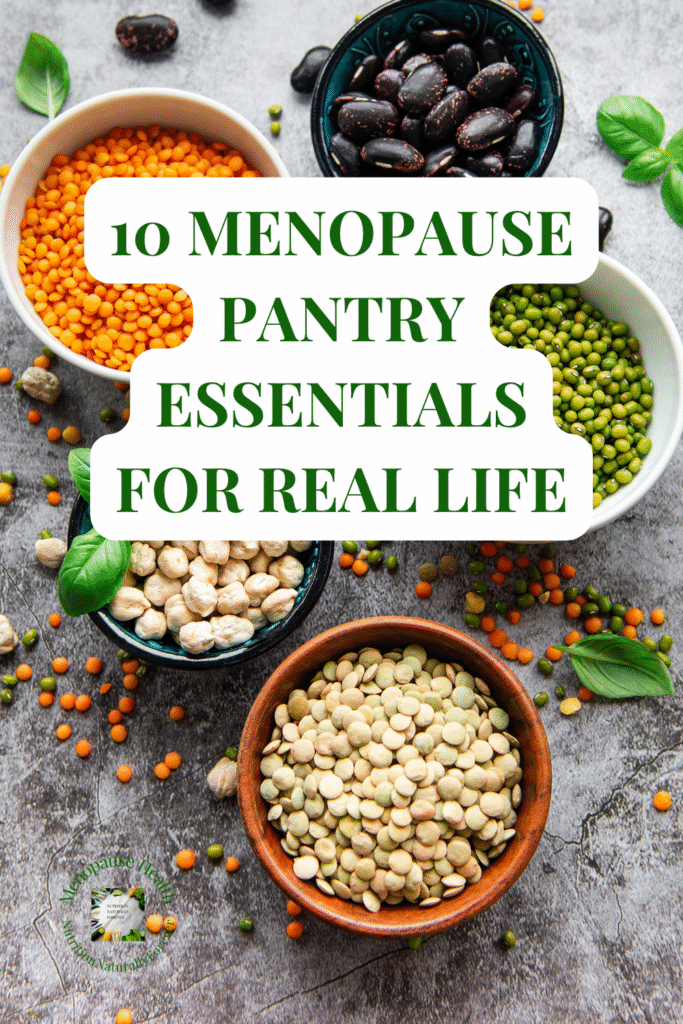
10 Menopause Pantry Staples For Real Life
If you opened my kitchen cupboards today, you wouldn’t find shelves lined with expensive supplements, trendy powders or the latest “must-have” superfoods.
What you would find are simple, everyday ingredients that quietly support my hormones, steady my blood sugar, nourish my gut and make it easy to throw together a healthy meal, even on the busiest of days.
Because that’s what The Menopause Pantry is really about.
Not perfection.
Not following another meal plan.
Not buying a whole new cupboard full of ingredients every time social media tells us there’s a new miracle food.
It’s about creating a kitchen that works with your body and your real life.
When your cupboards are stocked with nourishing essentials, eating well becomes the easier choice. You don’t have to start from scratch every evening or rely on ultra-processed convenience foods because you’re tired, short of time or wondering what to cook.
Over the years, there are certain pantry staples I find myself replacing again and again.
They’re versatile, affordable, packed with nutrition and form the foundation of countless meals throughout the week.
So if you’re wondering where to start, these are the 10 Menopause Pantry Essentials I believe every kitchen should have, not because they’re perfect, but because they make nourishing your body simpler, more sustainable and realistic.
Remember, your pantry doesn’t need to look like mine. The best menopause pantry is one that’s built around the foods you enjoy eating, your budget and your lifestyle. These essentials are simply a place to begin.
Why Pantry Staples Matter More Than Meal Plans
For years we’ve been told that the secret to healthy eating is following the perfect meal plan.
Monday’s breakfast. Tuesday’s lunch. Wednesday’s dinner.
It sounds organised, but real life rarely works that way.
Plans change. Meetings run late. Children need collecting. You’re exhausted after work. Or perhaps you simply don’t fancy what was written on the plan.
When the plan falls apart, it’s easy to feel like you’ve failed.
But you haven’t.
The plan has.
That’s because meal plans rely on life staying predictable. Read Why Meal Plans Don’t Work HERE.
A well-stocked pantry, on the other hand, gives you something far more valuable: flexibility.
When your cupboards are filled with nourishing ingredients, you can create simple meals from whatever you have available.
A tin of lentils becomes a warming soup. Oats become an energising breakfast. Tinned salmon and butter beans become a protein-packed lunch in minutes.
You’re no longer following rigid instructions, you’re learning how to nourish your body with confidence.
That’s the philosophy behind The Menopause Pantry.
Rather than asking, “What should I eat today?” you’re asking, “What does my body need today, and what do I already have to support it?”
It’s a subtle shift, but it’s a powerful one.
Because menopause isn’t about eating perfectly. It’s about consistently giving your body the nutrients it needs to support your changing hormones, energy, gut health and future wellbeing.
And that starts with what you keep in your cupboards.
My 10 Menopause Pantry Staples
Oats
Oats can get a bad rap in menopause nutrition circles, with warnings to stay away from these “dangerous carbs”. However, I believe oats have an important place in a healthy menopause diet when you use my SHIFT Framework and build a balanced meal that helps to support stable blood sugar levels.
Oats are a wholegrain rich in fibre, particularly beta-glucan, a type of soluble fibre that helps support gut health and feeds your beneficial bacteria. They’re also a good source of slow-release carbohydrates, providing sustained energy rather than the quick highs and lows that many processed breakfast cereals create.
The key isn’t to eat a bowl of plain porridge on its own. Instead, think about creating balance. Pair your oats with a source of protein, such as Greek yoghurt or cottage cheese, add healthy fats from nuts or seeds, and include berries for extra fibre and antioxidants. This simple SHIFT turns a carbohydrate-heavy breakfast into a nourishing meal that supports both your hormones and your energy throughout the morning.
I use oats in everything from overnight oats and homemade granola to energy bites and fruit crumbles. They’re affordable, versatile and always have a place in my Menopause Pantry.
Lentils
When you hear the word lentils, what picture does it conjure in your mind?
For me, it’s a leather sandal-wearing teacher from when I was a kid. Although, if I’m honest, I’ve probably turned into her now! 😂
But hear me out if lentils aren’t already a regular part of your shopping list.
They don’t have to be complicated. You can buy them ready-cooked in pouches or tins, making them a quick addition to soups, curries, casseroles and even spaghetti Bolognese. If you really want to stretch your budget, buy dried lentils in bulk and soak or cook them yourself with a little planning.
Lentils are one of the most affordable and nutritious foods you can keep in your pantry. They’re naturally rich in plant protein, fibre and minerals such as iron and magnesium, helping to support stable blood sugar, gut health and steady energy levels.
I love using lentils to add texture and bulk to meals. They help make dishes more satisfying, stretch expensive ingredients a little further and are a simple way of increasing both protein and fibre without relying on ultra-processed foods.
If you’ve never cooked with lentils before, this might just be the pantry staple that surprises you the most.
Tinned Beans
Tinned beans are another pantry hero that I always keep on hand. Similar to lentils, they’re packed with plant protein, fibre and a wide range of vitamins and minerals, but each variety brings its own unique texture and nutritional benefits.
Whether it’s butter beans stirred into a stew, cannellini beans blended into a soup, kidney beans in a chilli or chickpeas roasted for a crunchy snack, they’re an easy way to make everyday meals more nourishing and satisfying.
If you’re not keen on the texture, don’t write them off just yet. Try mashing them into homemade meatballs or burgers, blending them into soups and sauces, or even making your own UPF-free baked beans. They’re surprisingly versatile, and once you start experimenting, you’ll wonder how you ever managed without them.
Like all the best pantry staples, tinned beans are affordable, convenient and always there when you need to turn a handful of ingredients into a balanced, nourishing meal.
Tinned Fish
Tinned fish is one of the quickest ways to add high-quality protein to a meal, making it a staple I always keep in my Menopause Pantry.
Whether it’s salmon, sardines, mackerel or tuna, a tin of fish can transform a simple lunch or dinner in minutes. Stir it through a salad, pile it onto sourdough toast, mix it into a jacket potato or add it to a pasta dish for a nourishing meal without much effort.
Oily fish, such as sardines and mackerel, are particularly valuable during menopause as they’re naturally rich in omega-3 fats, which support brain health, heart health and help regulate inflammation. They’re also an excellent source of protein, helping to maintain muscle mass as we get older, and many varieties provide vitamin D too.
If you’re concerned about heavy metals, choose smaller oily fish such as sardines and mackerel more often, vary the types of fish you eat and remember that balance is key. Rather than avoiding fish altogether, think about choosing a variety over the course of the week.
Like all good pantry staples, tinned fish is affordable, convenient and means you’ve always got the ingredients for a nourishing meal, even when the fridge is looking a little empty.
Good Fats
For years we’ve been told to fear fat, especially during menopause. But good fats are essential for life and play an important role in hormone production, brain health, absorbing fat-soluble vitamins, such as vitamin D and help us feel satisfied after a meal.
Rather than relying on one type of fat, I like to keep a variety in my Menopause Pantry.
Extra virgin olive oil, coconut oil, avocado oil and grass-fed butter all have their place in my kitchen, each bringing their own unique flavour and nutritional profile.
If you’re just starting to build your Menopause Pantry, don’t feel you need to buy everything at once. Simply choose one good-quality fat to replace a highly processed alternative, then add another next month. Over time, you’ll naturally build a pantry that gives you flexibility and variety.
One thing I do encourage you to avoid is ultra-processed seed oils, which are found in many processed foods and are often marketed as “healthy”. If you’d like to understand why I choose to avoid them and what to use instead, you can read my blog on seed oils and menopause.
Remember, menopause isn’t the time to cut out healthy fats, it’s the time to choose better ones. They’re one of the building blocks your body needs to thrive through this transition.
Nuts & Seeds
Nuts and seeds may be small, but they’re packed with nutrition. They’re one of the easiest foods to keep in your Menopause Pantry because they’re so versatile and can be used throughout the day.
They’re perfect for snacking on when you need something satisfying between meals, but they also add protein, healthy fats, fibre and important minerals such as magnesium and zinc to your diet. A handful of walnuts, almonds, pumpkin seeds or sunflower seeds can make a simple meal much more nourishing.
I use them in homemade granola, energy balls and protein bars, sprinkle them over yoghurt and desserts, stir them into porridge or simply enjoy a handful with a piece of fruit. They’re also a brilliant way to create your own UPF-free alternatives to many shop-bought snacks, giving you control over exactly what goes into your food.
As with the rest of your Menopause Pantry, variety is your friend. Different nuts and seeds provide different nutrients, so there’s no need to stick to just one. Buy what you enjoy, mix them together and use them generously to add flavour, texture and nourishment to your everyday meals.
Herbs & Spices
Herbs and spices are one of the most underrated staples in any Menopause Pantry. They may only be used in small amounts, but they’re little flavour and nutrient bombs that can completely transform a meal.
How many times have you looked at a pack of chicken and thought, “Chicken… again?” The beauty of herbs and spices is that they can transport the very same ingredients to a completely different part of the world. One evening it might be an Italian-inspired dish with oregano and basil, the next a warming Moroccan tagine with cumin and cinnamon, or a fragrant Indian curry with turmeric, coriander and garam masala.
They’re also a wonderful way to keep your meals interesting. In the gut health module of my SHIFT Framework, I challenge women to aim for 30 different plant foods each week to nourish the incredible diversity of bacteria living in the gut. The good news? Herbs and spices all count towards your total. By simply reaching for a different herb or spice each time you cook, you’re adding variety to both your meals and your microbiome, without making life any more complicated.
So let your inner chef out and don’t be afraid to experiment. Forget perfection and have a little fun in the kitchen.
People often ask me how much of each spice to use, and I always say the same thing: listen to the whisper of your ancestors… or simply measure with your heart! That’s exactly what I tell my children whenever they ask me for an exact recipe, and it usually gets a laugh. Cooking should be enjoyed, not feared, and some of the best meals are created by trusting your instincts.
Bone Broth
Bone broth is one of those traditional foods that’s making a well-deserved comeback, and it’s a staple I always like to have available.
These days you can buy good-quality bone broth in tetra packs or pouches, and many supermarkets even sell frozen stock discs that are perfect for adding to soups, stews, casseroles and gravies to boost both flavour and nutrition.
But have you ever tried making your own?
The next time you roast a chicken, don’t throw the bones away. Save the carcass, add any leftover vegetable trimmings you have in the fridge—such as onion skins, carrot peelings and celery ends—along with a few herbs, cover with water and leave it to gently simmer. For just a few pennies, you’ll create your own collagen-rich stock that’s full of flavour and a wonderful way to make the most of ingredients that might otherwise have gone to waste.
I love using homemade bone broth as the base for soups, sauces and slow-cooked dishes I even cooked rice in it to increase the nutrition and flavour of this side dish.
It’s simple, economical and another reminder that some of the most nourishing foods are often the ones our grandparents made without a second thought.
Wholegrains & Nourishing Carbohydrates
Carbohydrates have had a bad reputation for years, especially in the menopause world. But your body doesn’t fear carbohydrates, it needs them.
Rather than cutting them out completely, I encourage women to think about choosing nourishing carbohydrates and building balanced meals using my SHIFT Framework.
Pairing carbohydrates with protein, good fats and plenty of fibre helps to support stable blood sugar levels, keeping you feeling fuller for longer and avoiding the energy crashes that often come with refined, ultra-processed foods.
One myth I’d also love to challenge is the idea that you must always choose brown rice over white. In our house, white basmati rice is the favourite, and that’s absolutely okay. Basmati rice has a lower glycaemic index than many other white rice varieties, it’s what my family enjoys, and that means it actually gets eaten. I often cook it in homemade bone broth too, adding even more flavour and nutrition.
This is a perfect example of my philosophy: healthy menopause eating has to work in real life, not just look good on paper.
Carbohydrates also have an important place in cyclical living.
During the last quarter moon and the luteal phase of the menstrual cycle, the body naturally becomes slightly less insulin sensitive and our energy needs increase. This is also the time when progesterone is at its highest, working to balance the effects of oestrogen. Rather than fighting those natural cravings, honouring your body with nourishing carbohydrates can help support hormone balance, energy and mood, making this phase feel much more manageable.
Whether you choose brown rice, potatoes, quinoa, buckwheat or a bowl of white basmati rice, don’t let food rules steal the joy from your meals.
Choose foods you enjoy, build them into balanced plates and remember that consistency will always beat perfection.
Tinned Tomatoes
If I had to choose just one ingredient that I never wanted to run out of, it would probably be tinned tomatoes.
They’re the foundation of so many meals in our house. From soups, stews and casseroles to curries, chilli, Bolognese and homemade pasta sauces, they’re one of the hardest-working ingredients in my pantry. In fact, I buy them in bulk from Costco because I know they’ll all get used, unless, of course, I’ve had a bumper crop of tomatoes from the garden that I’m busy preserving instead!
Tinned tomatoes are rich in vitamin C, potassium and lycopene, a powerful antioxidant that becomes even more available when tomatoes are cooked. They’re an easy way to add both nutrition and flavour to your meals without spending a fortune.
I love that they can turn a handful of simple pantry ingredients into something comforting and nourishing. Add lentils or beans for extra fibre, tinned fish for protein, herbs and spices for flavour, and you’ve got a wholesome meal with very little effort.
For me, tinned tomatoes sum up exactly what The Menopause Pantry is all about. They’re not glamorous or expensive, but they make healthy, home-cooked food simple, affordable and achievable—real food for real life.
The Bigger Picture
If you’ve read this list and thought, “My cupboards don’t look anything like that,” please don’t feel you need to rush out and buy everything at once.
The Menopause Pantry isn’t about creating the “perfect” kitchen overnight. It’s about making small, intentional changes that make nourishing yourself easier tomorrow than it was yesterday.
Every time you swap an ultra-processed food for a real one, try a new herb, cook from scratch or add another nourishing ingredient to your cupboard, you’re investing in your future health.
You’re also reconnecting with something we’ve slowly lost over the years: the confidence to feed ourselves and our families with simple, real food.
That’s what The Healthy Menopause is all about.
Not restriction.
Not perfection.
Just understanding your body a little better each day and giving it the nourishment it deserves.
Your Menopause Pantry Challenge
I’d love you to do one simple thing after reading this post.
Open your pantry cupboard.
Take a good look inside and ask yourself:
“Does my pantry make nourishing myself easy?”
Choose just one ingredient from this list that you don’t already have and add it to your next shopping list. Then challenge yourself to use it in a meal this week.
Small changes really do add up.
Before long, you’ll have a pantry full of ingredients that support your hormones, your gut, your energy and your confidence in the kitchen.
Ready to Build Your Own Menopause Pantry?
If you’d like a simple guide to help you get started, download my FREE Menopause Pantry Checklist.
Inside you’ll find my Menopause Pantry Principles, a practical shopping checklist and simple guidance to help you stock your kitchen with real foods that make healthy menopause eating feel achievable, not overwhelming.
And don’t forget to download this week’s free Moon Kitchen Recipe, where I’ll show you how to turn some of these pantry staples into a delicious meal that’s aligned with the current moon phase and your body’s natural rhythms.
Because A Healthy Menopause isn’t about perfection. It’s about reconnecting with real food, trusting your body and creating a way of eating that supports you for life.
🌙 This Week’s Moon Kitchen Recipe
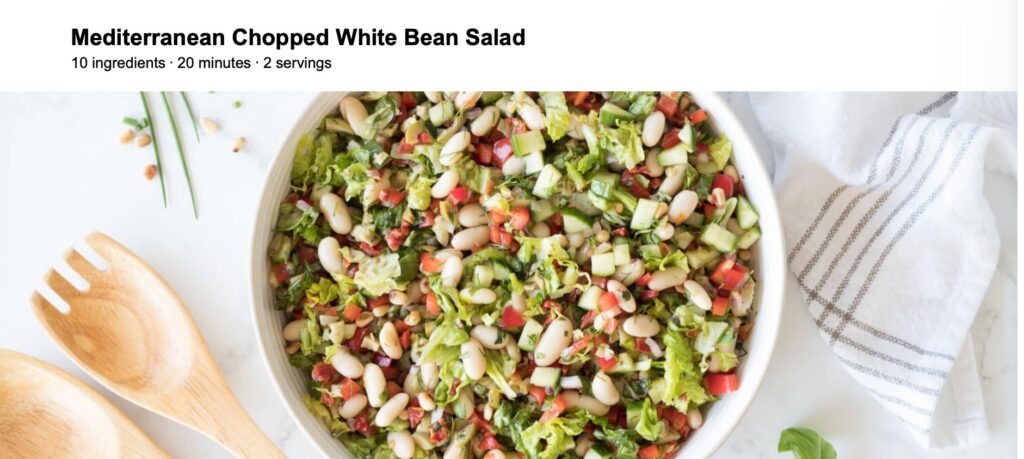
Mediterranean White Bean Salad
🌕 FULL MOON | DETOX
This week, your body needs:
✔ Fibre-rich beans to help eliminate excess hormones
✔ Colourful vegetables to support liver health
✔ Healthy fats from olives and pine nuts to reduce inflammation
✔ Fresh herbs and whole foods to nourish your body naturally
Download this week’s FREE recipe HERE.